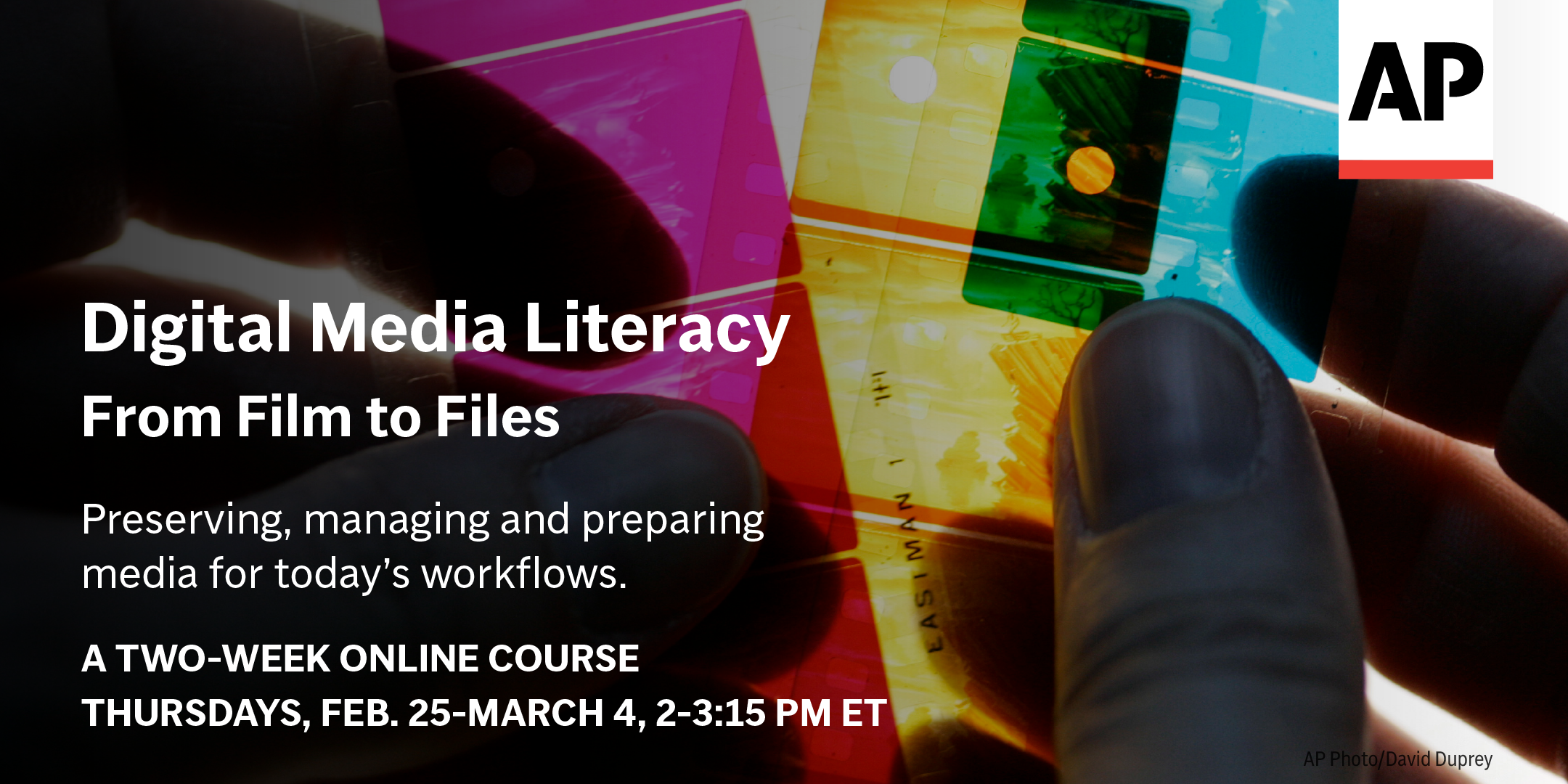
A two-week online course on Thursdays, Feb. 25-March 4, 2-3:15 p.m. Eastern.
 |
This course introduces you to the evolution of media from analog formats to contemporary digital workflows. Through hands-on exercises and practical examples, you will explore legacy film, video and audio formats. Learn how analog media is preserved through digitization and understand the archival practices that support long-term access.
We’ll cover essential concepts including file formats, codecs, metadata, media management, storage, quality control professional deliverables. By the end, you will have a technical foundation for preserving, managing and preparing audiovisual content for archival, broadcast, streaming and exhibition.
For course support, contact ap@edmaker.co.
Online classroom includes:
Access to live guest speaker sessions
Recordings of live sessions
Resources for people just getting started with verification
Discussion groups for peer support and connection
The series is hosted by Yvette Reyes, director of AP Learning, and Erika Yeomans, archive researcher at the Associated Press.
Live sessions start on Feb. 25, 2027. You can join live or watch recordings at your convenience.
Register now for the early bird rate of $107.48 per person. The early bird discount expires after Jan. 14, 2027. Standard rate is $160.83. For course support, contact ap@edmaker.co.
Discounts
Group discounts
Send your team to a course to learn together and receive group discounts. You’ll receive world-class instruction and high-touch customer support.
— 3 to 4 registrants: 10% off per person
— 5 to 10 registrants: 15% off per person
— 11 to 20 registrants: 20% off per person
— 21+ registrants: 25% off per person
You can access group rates at checkout.
AP member discounts
AP members may email ap@edmaker.co to request a member discount.
Program
All live sessions take place on Zoom, 2-3:15 p.m. Eastern. You can join live or watch recordings at your convenience. The online classroom includes all session recordings, asynchronous discussions and other resources.
DAY 1 – FILM AND FORMAT
Preservation, Restoration and Postproduction
Thursday, Feb. 25, 2-3:15 p.m. Eastern
|
Session 1: Film Preservation Fundamentals
Explore how historical films are preserved for future generations while balancing restoration, digitization and long-term conservation.
We’ll cover:
The importance of preserving motion picture film and understanding film stocks, including 8mm, 16mm and 35mm.
Film deterioration, restoration techniques and conservation best practices.
Digitization strategies and examples of restored films from archival collections.
Speaker:
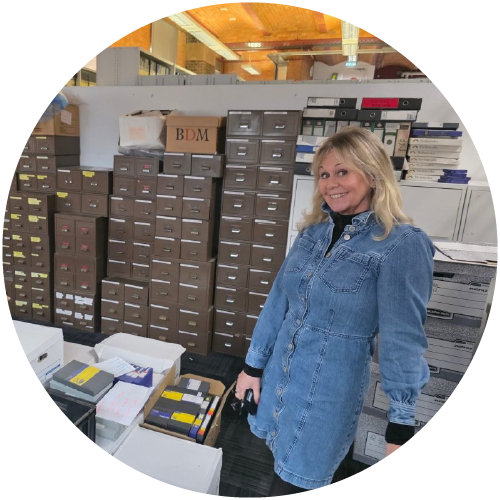
Louise Pankhurst, AP Archive (United Kingdom), The Associated Press
Louise Pankhurst’s career has taken her from preserving film collections to driving a cinema van around London, bringing archive films to local communities. A technically trained film archivist with a Master’s degree in Film Archiving, she has worked across public and private archives, with a strong focus on heritage projects. After working at the East Anglian Film Archive and teaching MA Film Archiving students at the University of East Anglia, Louise joined the Associated Press (AP) as a cataloguer on the UPITN Lost Archive Project. Her career has also included a role as Film Library Manager at the London Film School, where she transformed an analogue library into a fully digital resource, and work with Film London, collecting and screening archive films across the capital. For the past ten years, Louise has worked as an Account Manager in AP’s archive revenue team.
Session 2: Understanding Digitization and Postproduction Files
Learn how media moves from acquisition through postproduction and delivery. Understand the technical decisions that affect quality across broadcast, streaming and archival workflows.
We’ll cover:
Legacy and digital media formats, including Beta, VHS, 16mm, 35mm and contemporary file formats.
File formats, codecs, frame rates, resolutions, file sizes and media format conversions.
Quality control and professional deliverables for broadcast, streaming and theatrical exhibition.
Speaker:
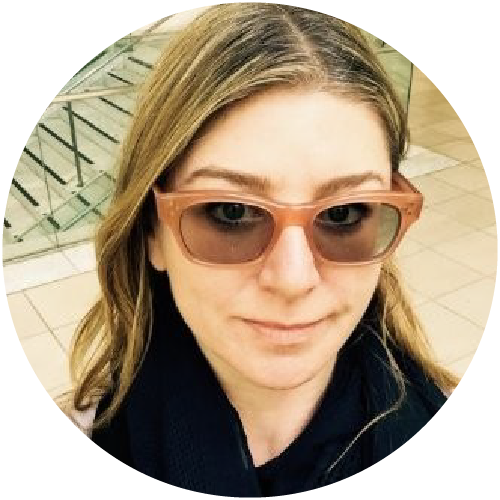
Dawn Aveline, Director of Preservation Programs, Preservation Technologies, The MediaPreserve
Dawn Aveline joined Preservation Technologies in January 2019, bringing with her eight years of experience in library and archives preservation. Before pursuing her library preservation goals, Dawn managed business development and client relations for a boutique architectural design firm specializing in large-scale water features.
In 2010 she entered UCLA’s Master of Library and Information Science program specializing in Archival Studies. In 2013, Dawn was appointed Preservation Officer and Head of Preservation and Conservation for UCLA Library. She assumed responsibility for assembling and leading a team of highly respected experts engaged in preservation support and advocacy for the University’s collections. Services she and her team provided include conservation treatment for rare and circulating collections, re-housing, exhibition preparation, stabilization and digitization of print and audiovisual materials, bindery prep, emergency preparedness and response, and environmental monitoring.
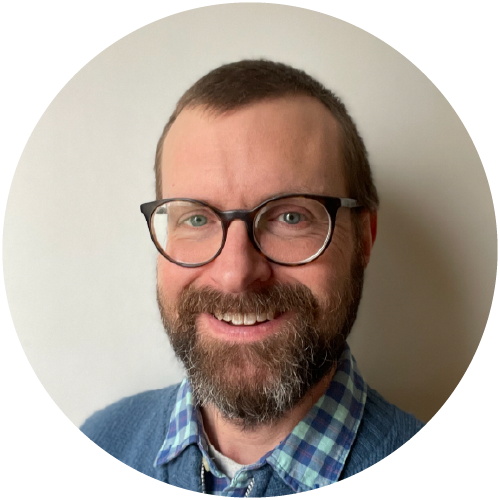
Madison Stubblefield, Head of Quality Control, Video/Film, The MediaPreserve
Madison Stubblefield earned an MLIS degree with a specialization in Archives, Preservation, and Records Management at the University of Pittsburgh, and a BA in English and Linguistics from the University of Alabama at Birmingham. He is a member of the Association of Moving Image Archivists and the Society of American Archivists. After serving as a project coordinator and XML metadata specialist at The MediaPreserve, Madison is now the Head of Quality Control for Video and Film, where he oversees QC, transcoding, file validation, metadata creation and final deliverables. He also collaborates with the workflow development and coding team on implementing ideas for new and improved applications and features.
DAY 2 – ANALOG TO DIGITAL
Capture and Archiving
Thursday, March 4, 2-3:15 p.m. Eastern
|
Session 1: Choosing Film vs. Digital
Learn how to evaluate when film or digital is the right choice for a story while understanding the workflows, processing, and practices that ensure high-quality content.
You’ll learn:
How to determine whether a story is best suited for film or digital capture
Creative, technical, and logistical considerations when making camera and format decisions
How processed film is delivered to publishers in digital formats for online and print use.
Speaker:
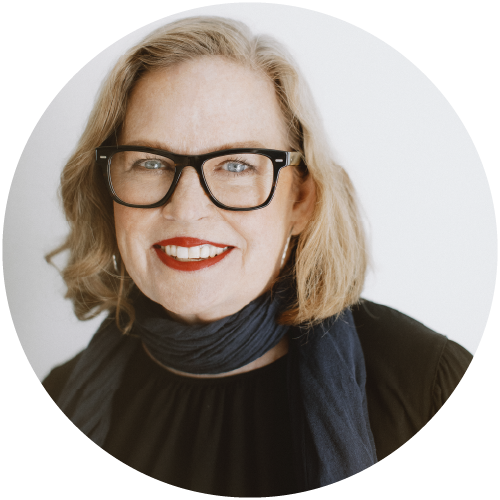
Jane Yeomans, Photo Editor, Bloomberg
Jane Yeomans is a photo and visuals editor at Bloomberg Businessweek, specializing in photo and video assignments, archival research, photographer commissions, and image rights. Her work has contributed to award-winning stories, including ASME, Deadline Club, and Pulitzer recognition. She holds an MFA from the School of the Art Institute of Chicago.
Session 2: Archival Storage and Media Management
Discover practical methods for organizing, preserving and protecting valuable media collections using professional archival standards and best practices.
You’ll learn:
Preserving paper records, photographs, printed materials and ephemera.
Organizing and managing digital records, hard drives and cloud-based files.
Long-term storage strategies for institutional and personal media collections.
Speaker:
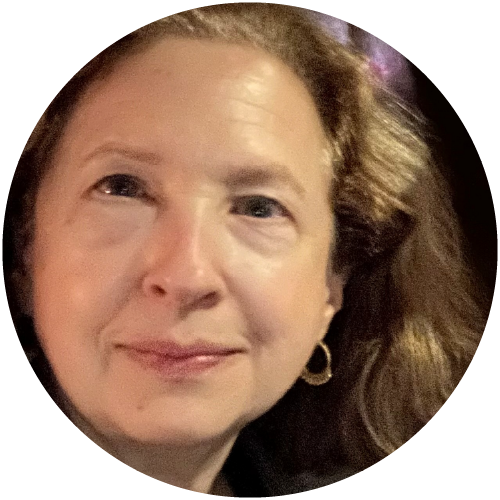
Valerie Komor, former Director of the Corporate Archives, The Associated Press
During her professional career, Valerie Komor worked at the Oberlin College Archives, the Rockefeller Archive Center, the Archives of American Art (Smithsonian Institution), and the New York Historical Society. In 2003, she joined the Associated Press as their first corporate archivist, establishing a corporate archives and its programs in acquisitions, collections processing, oral history, reference services, exhibits and preservation. All of these initiatives were designed to bring AP's illustrious legacy to light and share it with the staff, who add to that legacy daily.
Questions? Email ap@edmaker.co.
Produced in partnership with Edmaker Online Learning